春江花月夜
chūn jiāng huā yuè yè
A Flowery Moonlit Night by the Spring River
张若虚
Zhāng Ruòxū
Translated by Shu
Slow version[audio:http://www.chinesetolearn.com/wp-content/uploads/2012/04/listen-to-poem1.mp3|titles=listen to poem]
Fast version [audio:http://www.chinesetolearn.com/wp-content/uploads/2012/04/Spring-river.mp3|titles=Spring river]
春江潮水连海平, 海上明月共潮生。
chūn jiāng cháoshuǐ Lián Hǎipíng , hǎishàng míngyuè gòng cháo shēng .
The tides of spring river rushed to link the calm sea; the bright moon above the sea horizon appeared along with the tides.
滟滟随波千万里, 何处春江无月明。
yàn yàn Suí Bō qiānwàn lǐ , hé chù chūn jiāng wú yuè míng .
Shimmering waves flowed with tides for ten thousands of miles; which part of the spring river did not have the brightness of moon?
江流宛转绕芳甸, 月照花林皆似霰。
jiāng liú Wǎn Zhuǎnrǎo fāng diàn , yuè zhào huā Lín Jiēshì sǎn .
The river turned and wound around the fragrant blooming plain; the moon shone on flowery forest and made them look like simmering hails.
空里流霜不觉飞, 汀上白沙看不见。
kōng lǐ liú shuāng bùjué fēi , tīng shàng bái shā kànbùjiàn .
I was not able to sense the flying movement of the flowing frost moonlight in the air; the white sand on the water bank was not able to be seen.
江天一色无纤尘, 皎皎空中孤月轮。
jiāng tiān yī sè wú xiān chén , jiǎ jiǎ kōngzhōng gū yuè lún .
The river and sky and blended into one color, so pure without one single dust; in the brilliant clear sky hung the solitary moon.
江畔何人初见月? 江月何年初照人?
jiāng pàn hérén chūjiàn yuè ? jiāng yuè hé niánchū zhào rén ?
When the people by the riverbank first saw the moon? When the moon of the river first shined on people?
人生代代无穷已, 江月年年只相似。
rénshēng dài dài wúqióng yǐ , jiāng yuè niánnián zhǐ xiāngsì .
The generation of human life is endless; year after year, the moon of the river looks alike.
不知江月待何人, 但见长江送流水。
bùzhī jiāng yuè dāi hérén , dàn jiànchángjiāng sòng liúshuǐ
I didn’t know whom the river moon awaited, however, I only saw the Yangtze River sending the flowing water away.
白云一片去悠悠, 青枫浦上不胜愁。
báiyún yī piàn qù yōuyōu, qīng fēng pǔ shàng bùshèng chóu .
One white cloud leisurely drifted away; at green maple riverbank, I could not bear the sorrowfulness.
谁家今夜扁舟子? 何处相思明月楼?
shéi jiā jīn yè Biǎn Zhōuzǐ ? hé chù xiāngsī míngyuè lóu ?
Tonight, whose family is having a traveler sailing in the skiff? Where is the person pining away in a tower under the bright moon?
可怜楼上月徘徊, 应照离人妆镜台。
kělián lóushàng yuè páihuái , yīng zhào lí rén zhuāng jìng Tái .
Pitiful moon paced to and fro above the tower; it should shine on the dress mirror of the one who was left behind.
玉户帘中卷不去, 捣衣砧上拂还来。
yù hù lián zhōng juǎn bù qù , dǎo yī zhēn shàng fú háilái.
The beautiful jade-like chamber’s curtain could not roll away the moonlight; on the laundry anvil, the moonlight got wiped away, but it came right back.
此时相望不相闻, 愿逐月华流照君。
cǐshí Xiāng Wàng bù Xiāng Wén , yuàn zhú yuè huá liú zhào jūn .
At this moment, we each both looked at the bright moon, however we were not able to hear each other. I wish I could flow with the moonbeam to shine on you.
鸿雁长飞光不度, 鱼龙潜跃水成文。
hóng yàn cháng fēi guāng bù dù , yúlóng qián yuè shuǐ chéngwén .
Swan geese can fly for long distance, however, they can’t reach to the other side of the moonlight. Ichthyosaurs are able to jump deeply into the water, yet, they are not able to swim to you, but to stir up some ripples.
昨夜闲潭梦落花, 可怜春半不还家。
zuóyè xián Tán Mèngluò huā , kělián chūn bàn bù gǎn xiǎng jiā .
Last night I dreamt of flowers falling down on the quiet deep pool. It is so pitiful that now half spring has passed while I still haven’t returned home.
江水流春去欲尽, 江潭落月复西斜。
jiāngshuǐ liú chūn qù yù jǐn , jiāng Tán Luòyuè fù xī xié .
The River water flows spring away; the season almost ends. The setting moon of the river pool again slants toward the west.
斜月沉沉藏海雾, 碣石潇湘无限路。
xié yuè chén chén cáng hǎi wù , jié shí Xiāoxiāng wúxiàn lù
The descending moon deeply hid in the ocean mist. Between jié shí and Xiāoxiāng, the distance of road is infinite.
不知乘月几人归, 落月摇情满江树。
bùzhī chéng yuè jǐ rén guī , luò yuè yáo qíng Mǎn jiāng shù .
I don’t know how many people returned home by riding the moon; all I saw is the setting moon shook the trees by the river bank with immense emotion.
Translated by Shu
Poem analysis:
Zhang Ruoxu was a poet of the Tang Dynasty. About his personal life, we could not find much information from historic document or Tang literature. We don’t even know when he was born or when he died. We only knew that he was a person from Yangzhou and only two poems got passed to later generation. However, one of the two poems, the poem we are studying now was acclaimed as ” the poem in poems, the summit of summit” (詩中的詩,頂峰上的頂峰). Now let’s enjoy this beautiful, the so called the best poem of Tang Dynasty –春江花月夜 chūn jiāng huā yuè yè A Flowery Moonlit Night by the Spring River.
春江潮水连海平, 海上明月共潮生。
chūn jiāng cháoshuǐ Lián Hǎipíng , hǎishàng míngyuè gòng cháo shēng .
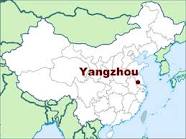
The place Zhang Ruoxu lived is Yangzhou. You might wonder where is Yangzhou and how it looks like. Yangzhou is located in south of Jiangsu Province, near the confluences of the Yangtze River and the Grand Canal, and at the north bank of lower reaches of the Yangtze River. Yangzhou city has been a fascinating natural beauty in China since ancient times. It got blessed with endless beautiful water scenes.
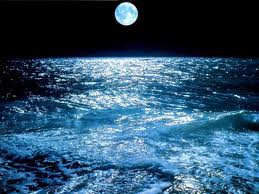
The opening two lines describe a magnificent moon rising, tide surging sea view, at the place where the Yangtze River reached to the East China Sea. The usage of the verb sheng 生 makes the image full of movement. 生 originally means give birth, while here refers to the moon appears — slowly rose from sea horizon with numerous waves of tide surging under it again and again.
滟滟随波千万里, 何处春江无月明。
yàn yàn Suí Bō qiānwàn lǐ , hé chù chūn jiāng wú yuè míng .
Yanyan is a reduplication of adjective to describe the beautiful simmering on the water surface for it reflects the moonlight. When the river marched into the sea and joined ten thousands miles of tidal waves under the silvery moon. River rushed forward with shimmering flow, all over the river. Which part of the spring river was without the brightness of moon?
The answer is? None.
江流宛转绕芳甸, 月照花林皆似霰。
jiāng liú Wǎn Zhuǎnrǎo fāng diàn , yuè zhào huā Lín Jiēshì sǎn .
空里流霜不觉飞, 汀上白沙看不见。
kōng lǐ liú shuāng bùjué fēi , tīng shàng bái shā kànbùjiàn .
The river twists and turns to flow through the fragrant blooming plain; moonlight shines on the trees and flowers like covered with crystal clear hails. Then only the glowing full moon between heaven and earth existed, even Ting white sand, and air flow frost are not clear, moonlight washed the color of things in the world, the whole worlds, dip imaging dream like ethereal quiet.
江天一色无纤尘, 皎皎空中孤月轮。
jiāng tiān yī sè wú xiān chén , jiǎ jiǎ kōngzhōng gū yuè lún .
These two lines the poet presents us a super bright full moon hangs in the purest sky without tiniest bits of dust. The line between the sky and the river is so hard to distinguish for under the shinny silvery moonlight the whole world was blended into the same grey silver color, a color of imagination and a color of fascination.
江畔何人初见月? 江月何年初照人?
jiāng pàn hérén chūjiàn yuè ? jiāng yuè hé niánchū zhào rén ?
Triggered by what he viewed, a no brain question popped on the poet’s thinking mind: When the people by the riverbank first saw the moon? When the moon of the river first shined on people?
Would you ask this kind of question when you were viewing a beautiful scenery?
For example, when you went out to view the blooming cherry blossoms, would you be pondering about: When people first viewed the cherry blossom, and when the cherry blossom first saw people? Probably not, right? So, let’s say that What distinguishes poets from non-poets is silly sentimental imagination and curiousness?
人生代代无穷已, 江月年年只相似。
rénshēng dài dài wúqióng yǐ , jiāng yuè niánnián zhǐ xiāngsì .
Actually it is not a silly question at all; it is a compare-and-contrast question:) Zhang compared human beings and the moon. The moon by the river year after year is similar, without big changes. However, people were born and died generation after generation. So, each generation takes their turn to watch the moon rising and setting, to see the same moon. The moon is all the same, the same ancient one, but the people that watch the moon were different in time and in space.
不知江月待何人, 但见长江送流水。
bùzhī jiāng yuè dāi hérén , dàn jiànchángjiāng sòng liúshuǐ
The poet further wondered that the moon of the river was by the river, night after night, year after year, generation after generation, so was the moon there for a purpose? Was the moon waiting for someone to come? However, sadly, all the poet could see was the Yangtze River sending the flowing water toward the Eastern Sea. Why the poet thought of the moon was waiting for someone or something? For the poet was out there by the side of the river for a reason, for a sad reason. It can be that he was missing a person so badly that he could not sleep, and had to go to the river to see the bright moon and hope the one that he was missing would be seeing the moon at the same time? Or he would like to see the person riding the boat home to him by chance?
白云一片去悠悠, 青枫浦上不胜愁。
báiyún yī piàn qù yōuyōu, qīng fēng pǔ shàng bùshèng chóu .
The poet switched his gazing eyes from the moon to the cloud in the silver sky, and he saw the white cloud leisurely drifting away to the far away place, just like the one he was missing gone away and away and eventually no where to be found. So, the more he thought of, the sorrow in him gradually got deepened and condensed and then he told us the simple fact: at the green maple riverbank, I could not bear the sorrowfulness.
谁家今夜扁舟子? 何处相思明月楼?
shéi jiā jīn yè Biǎn Zhōuzǐ ? hé chù xiāngsī míngyuè lóu ?
Further, the poet wondered: tonight, whose family is having a traveler sailing in the skiff? Where is the person pining away in a tower under the bright moon? Now we fully realize what the poet’s sorrowfulness was all about — he was the person that traveled away from hometown and left his wife behind in the chamber pining for him to return under the bright moon light.
可怜楼上月徘徊, 应照离人妆镜台。
kělián lóushàng yuè páihuái , yīng zhào lí rén zhuāng jìng Tái .
Pitiful moon paced to and fro above the tower. It seems the moon understood the sadness of the lonely person. 离人 lí rén here is kind of tricky. Literally, people will translate it as the one that left. However, it not made sense to use that meaning. It would make better sense to translate lí rén as the one that got left behind — the lady. So, the poet thought the moon should shine on the dresser of the lady who was pining for her lover. Shining on her belongings means to give her some company, to make her feel not so alone.
玉户帘中卷不去, 捣衣砧上拂还来。
yù hù lián zhōng juǎn bù qù , dǎo yī zhēn shàng fú háilái.
The beautiful jade-like chamber’s curtain could not roll away the moonlight; on the laundry anvil, the moonlight got wiped away, but it came right back.
The moon did listen to the poet’s wish 🙂 It shone on everywhere! Just like it steadily shone on the beautiful jade-like chamber’s curtain and laundry anvil. However, the moon’s presence did not soften her sorrow at all; it only made her miss her beloved more and more. so, she looked up to the moon, and thought…
此时相望不相闻, 愿逐月华流照君。
cǐshí Xiāng Wàng bù Xiāng Wén , yuàn zhú yuè huá liú zhào jūn .
At this moment, we each both looked at the bright moon, however we were not able to hear each other. I wish I could flow with the moonbeam to shine on you.
At this time, they could all look at the moon at the same time, however, they were not able to hear the voice of each other. Thus, she wished that she could flow with the moon beam to shine on the one that traveled in other land.
鸿雁长飞光不度, 鱼龙潜跃水成文。
hóng yàn cháng fēi guāng bù dù , yúlóng qián yuè shuǐ chéngwén .
Swan geese can fly for long distance, however, they can’t reach to the other side of the moonlight. Ichthyosaurs are able to jump deeply into the water, yet, they are not able to swim to you, but to stir up some ripples.
Then, she was thinking of all kinds of tools or help she could use to lead her to her beloved. First, the swan geese seemed good helpers; however, swan geese can fly for long distance, however, they can’t reach to the other side of the moonlight. Then she came to a good idea: ichthyosaurs! Sadly, ichthyosaurs are able to jump deeply into the water, yet, they are not able to swim to you, but to stir up some ripples.
昨夜闲潭梦落花, 可怜春半不还家。
zuóyè xián Tán Mèngluò huā , kělián chūn bàn bù gǎn xiǎng jiā .
Last night I dreamt of flowers falling down on the quiet deep pool. It is so pitiful that now half spring has passed while I still haven’t returned home.
Now, the poet’s thought wandered to himself again. He recalled his dream last night about flowers falling down on the quiet deep pool. Then he thought of the spring had passed half of it, and he still not yet returned home.
江水流春去欲尽, 江潭落月复西斜。
jiāngshuǐ liú chūn qù yù jǐn , jiāng Tán Luòyuè fù xī xié .
He looked at the rushing river, and thought of the river water flowed spring away and the season almost ended. The setting moon of the river pool again slants toward the west. These two lines tell time flies or time’s ruthlessness.
Time never stops, never lingers, it only flies.
斜月沉沉藏海雾, 碣石潇湘无限路。
xié yuè chén chén cáng hǎi wù , jié shí Xiāoxiāng wúxiàn lù
The descending moon deeply hid in the ocean mist. Between jié shí and Xiāoxiāng, the distance of road is infinite.
The poet looked to road that led to home. The road was hidden in the deep ocean mist — an infinite journey of home returning.
不知乘月几人归, 落月摇情满江树。
bùzhī chéng yuè jǐ rén guī , luò yuè yáo qíng Mǎn jiāng shù .
I don’t know how many people returned home by riding the moon; all I saw is the setting moon shook the trees by the river bank with immense emotion.
Then Zhang thought he didn’t know how many people were able to return home by riding the moon; however, all he saw was the setting moon shook the trees by the river bank with immense emotion. These immense emotion, these sad or sorrowful emotion of his just like the falling leaves of the forest along the river bank, so many, so heavy, and so unbearable …
李宇春 Li Yuchun — 海上的月亮 + Lyrics 歌词
For the lyrics, pinyin and English translation, see http://www.chinesetolearn.com/?p=3851
Moon River – Breakfast at Tiffanys
Tony Bennett – Fly me to the moon ( with Lyrics)